Cultivating the “Heart of a Stranger”
by Amy and Patrick Seifer
In the fall of 2022, I (Patrick) helped start a free ESL class at my church in Orlando, Florida. The percentage of families in the schools near our church who do not speak English as a first language is easily fifty percent.
The Wednesday night class started slowly, but by the spring, I partnered with another person with a similar passion and vision to help immigrants learn English and acclimate to American life. Having spent more than 25 years living as the “foreigner immigrant” in China sensitized my wife and me to the need of helping immigrants in America.
As my friend and I continued providing a safe place for immigrants to learn English, we also struck up many lasting friendships. One of these friendships was with a Brazilian mom and her two daughters. When we first met, Eloisa1 had minimal English but an amazing attitude. Her daughters were just beginning their English learning journey, and they had their mom’s sweet and positive attitude. These girls were excellent and excited elementary school students and became very involved in our church’s weekly after-school program for kids.
This past spring, attendance at our ESL class started falling as local ICE detentions increased in our area. Eloisa’s husband worked as a contractor, and one morning in April, the local police pulled Carlos over because his license plate showed it was registered to an immigrant. There had been a misunderstanding about his legal status. Although he had been working his way through the immigration process in the right way, he was put in a local prison and then sent to “Alligator Alcatraz’ (a controversial temporary ICE detention center in the Florida Everglades) for about 7 weeks. This shook our whole immigrant community to its core. Clearly, Eloisa became quite distraught because her husband was being treated like a criminal. She feared driving her car because her license plate would show that she was an immigrant. We waited with her, prayed with her, and attended her daughters’ first communion because the girls’ dad couldn’t be there.
To be released from detention after he was surprisingly denied bond, Carlos agreed to self-deport. By choosing this option, his family will have an easier pathway to possibly return to America in the future.
Eloisa decided to legally go through the process to self-deport as well. This whole process, which should have taken a few weeks took almost two months. About a month ago, Amy and I were able to see Eloisa and her daughters off at the airport. They are now reunited as a family back in Brazil.
Please lift for this family. They miss their American lives, and Carlos is struggling with the trauma of his detention. The healing process will take some time.
As I (Amy) have watched these friends and others in our community deal with uncertainty and fear regarding new and changing immigration policies, I find myself pondering how I as a follower of the Master Teacher can best respond in these situations. I was struck recently by a phrase in His Book: “You shall not oppress a stranger; you know the heart of a stranger, for you were strangers in the land of Egypt” (Exodus 23:9, italics mine). I think this is what the Master Teacher is asking of us—to cultivate the heart of a stranger so that we can show compassion and understanding to the immigrants and other internationals He brings into our lives. Having spent many years living in a foreign land, I know what it feels like to be the “alien,” and that can help me respond with compassion and support. But even if we haven’t had that experience, I believe the Master Teacher can help us cultivate “the heart of a stranger” as we remember that we His followers are all living as citizens of another kingdom and therefore are strangers in this world. As we walk alongside our foreign friends through these difficult times, our “heart of a stranger” can hopefully serve as a channel through which may flow the sacrificial love and care of the Master Teacher.
- Names have been changed for privacy. ↩︎
Further exploration
- Exodus 23:9
- “‘Alligator Alcatraz’ Used ‘Small Cages’ as Calming Areas, Report Says”
- The Death of Orlin Hernandez Reyes
On your knees
- Ask the Master Teacher to cultivate the “heart of a stranger” in you.
- Ask for light to shine into the darkest corners of other detention centers like Alligator Alcatraz.
- Pray for children who have been separated from their parents during the deportation process.
In your community
- Who in your community may be trying to self-deport, deported without warning, or separated from their children? How could you reach out to them with the “heart of a stranger”?
- If you are a U.S. citizen, contact your representatives and tell them how you feel about refugees like Eloisa, Carlos, and their children and about other children being separated from their parents: https://whosmyrep.org.
Post Authors
Amy and Patrick Seifer lived and taught as “aliens” in Asia for nearly 30 years. Since then, they’ve returned to the U.S. where they continue to befriend “strangers” in their community.
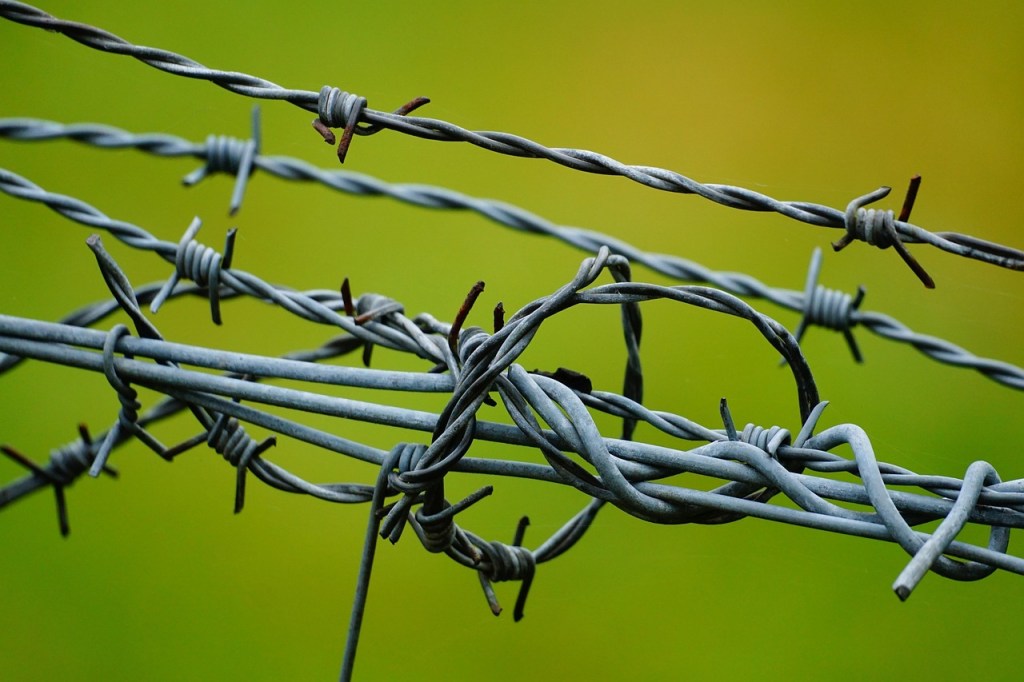
Image by Michaela 💗 from Pixabay.



Recent Comments